Valley Living · Mountain Access

Cottonwood Heights Real Estate: A Luxury Buyer & Seller Guide

Choose a Cottonwood Heights home by the evidence behind its setting, condition, daily function, and ownership costs—not a promised drive time or a luxury label. Compare the exact lot, permitted living space, access, privacy, maintenance, and resale alternatives before deciding what mountain proximity is worth to you.

Jim Williams at Williams Realty Utah is the contact for this guide. Use the framework below to prepare a property-specific conversation with Jim, whether you are buying in the valley or preparing a home for sale.

Guide updated .

Discuss your Cottonwood Heights property
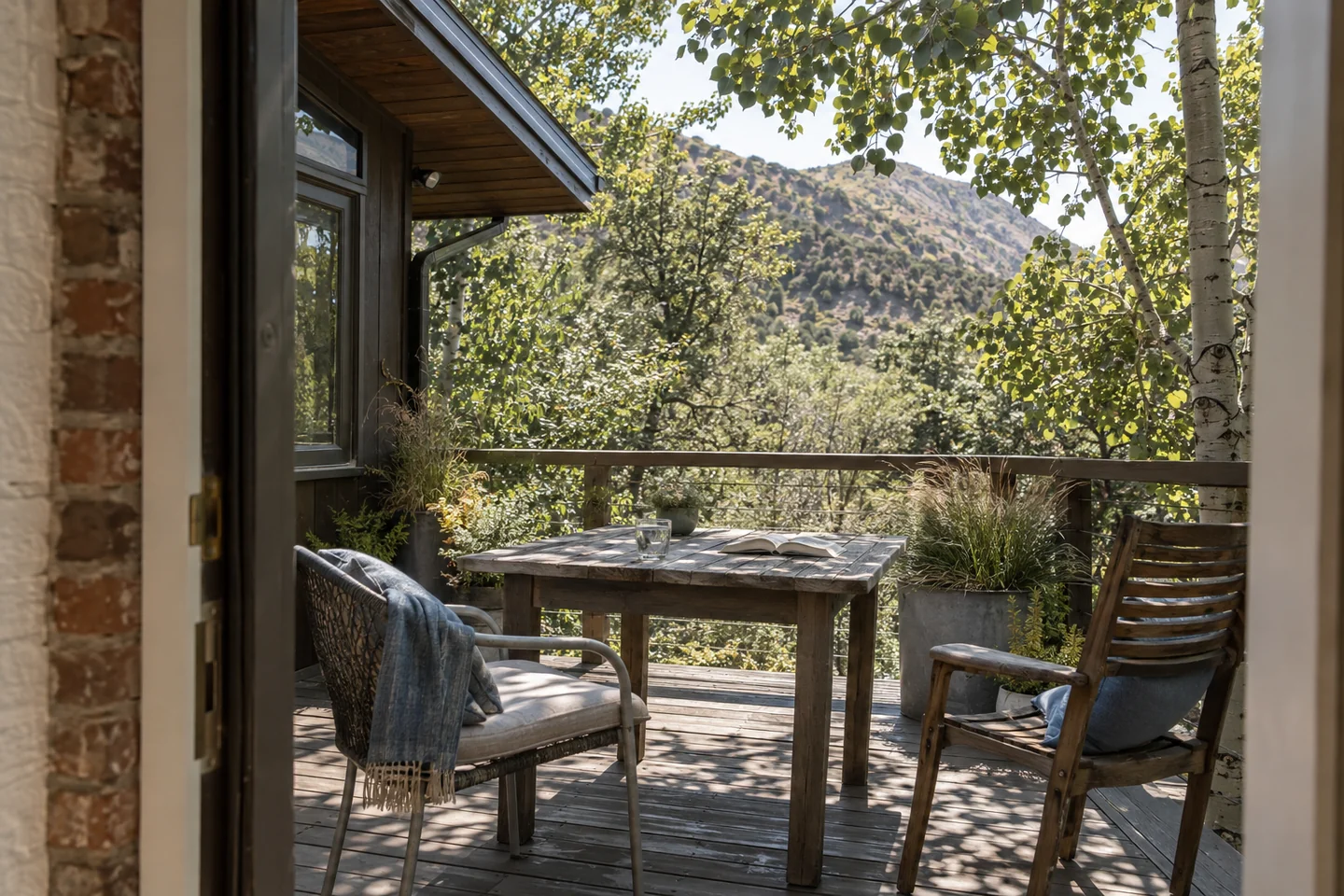
AI-generated shaded home terrace with weathered chairs, a book and wooded foothills beyond
Open the door to a slower afternoon.

First decide which trade-offs you are buying

Cottonwood Heights can be a base for valley routines and trips into the Cottonwood Canyons. A foothill setting, a remodeled established home, and a lower-maintenance property can solve different problems. These are comparison patterns, not claims about the availability or rights of any listing.

Views and a foothill setting

Inspect driveway grade, turnaround space, snow storage, drainage, retaining structures, and outdoor maintenance. Ask what recorded or planning restrictions, if any, affect nearby development. A view today is not a guaranteed protected view.

An established or remodeled home

Separate cosmetic updates from roof, electrical, plumbing, HVAC, drainage, and structural work. Reconcile additions and finished areas with permits and inspection records; do not assume a finished basement is approved living or rental space.

Less hands-on ownership

If an association or shared service is involved, determine who maintains roofs, grounds, private roads, and snow removal. Read budgets, reserves, insurance, assessments, parking rules, and alteration limits before treating the arrangement as low maintenance.

Build a seven-part property evidence file

1. The lot and its limits

Collect the title commitment, legal description, available survey or plat, easements, and relevant recorded restrictions. Reconcile fences and visible use with the documents; have qualified title or legal professionals resolve rights and boundary questions.

2. Renovation and future use

Ask for permits, final inspections, contractor records, warranties, and available plans for material changes. Confirm intended additions, accessory space, rentals, or home-business use with the city and any association. A seller description is not an approval.

3. Condition and specialist review

Use inspections to decide whether roof, drainage, retaining walls, electrical capacity, foundations, or other systems need specialist evaluation. Request scoped estimates where a material repair could change the purchase decision.

4. The actual weekly routine

Travel the routes to work, errands, and activities at the times you would use them. Check the garage with your vehicle and equipment, guest parking, deliveries, and the movement of wet ski gear into the house.

5. Winter access and maintenance

Separate the public street, driveway, private-road agreement, and canyon trip. Identify plowing responsibilities and snow-storage space. Consult current road and resort information; distance does not guarantee arrival time or resort parking.

6. Insurance and carrying costs

Seek a property-specific insurance quote early. Compare taxes, financing, utilities, association obligations, landscape care, snow service, and a repair reserve. Do not use projected appreciation or unverified rental income to make the budget work.

7. The comparison and decision log

Compare similar usable space, condition, lot function, setting, and ownership obligations—not price per square foot alone. Keep each unresolved question beside its source, responsible professional, deadline, and effect on your decision.

For sellers: turn the home's features into verifiable evidence

Before photography or a launch date, assemble a concise property file: improvement dates and available permits, maintenance history, equipment information, title or association documents, utility context, and known unresolved issues. Separate documented facts from estimates and matters that still need professional review.

Then request a pricing comparison that explains the relevance of each comparable sale: condition, usable space, lot, setting, concessions where available, and timing. Ask which competing homes a buyer would realistically consider. A canyon view or expensive renovation should not become an unsupported premium.

Set a launch and feedback plan: which repairs are essential, which presentation choices are optional, how showing access works, and what evidence will trigger a review. No marketing plan can guarantee price or days on market.

Use the full Utah luxury seller framework

Use the source that can answer the question

Verify the exact address, current rules, and the dates relevant to your purchase or sale. General maps and public records are starting points, not substitutes for property-specific professional conclusions.

Cottonwood Heights real estate FAQs

How should I choose a luxury real estate agent in Cottonwood Heights?

Compare verifiable experience relevant to your property, the quality of the pricing or buyer analysis, the document and deadline plan, and the proposed representation agreement. Ask Jim Williams at Williams Realty Utah to explain how the work would apply to your specific situation; a luxury label alone is not evidence.

Does a Cottonwood Heights address guarantee quick ski access?

No. Your route, departure time, weather, traffic, traction requirements, closures, and resort parking can change the trip. Test the actual routine and consult current UDOT and resort information rather than relying on a fixed drive-time claim.

What should I verify before buying a remodeled Cottonwood Heights home?

Review available permits, final inspections, plans, warranties, and contractor records. Compare the documented work with the home and obtain appropriate inspections or specialist reviews. Confirm proposed additions, accessory space, or rental use with the city and any association.

How should a seller prepare a Cottonwood Heights luxury home?

Build a property evidence file, identify unresolved condition or documentation issues, compare relevant competing homes and sales, and agree on a presentation, showing, and feedback plan. Separate documented features from estimates; do not promise a sale price or time on market.

How do I check the school assignment for a property?

Use the district school locator and confirm the exact address and intended enrollment year directly with the district. A nearby school, marketing description, or older boundary map does not guarantee an assignment.

Compare the valley base with canyon ownership

This guide concerns a Cottonwood Heights purchase or sale. For the broader location decision, use the Cottonwood Heights, Sandy, and Draper comparison. For ownership inside the canyons, see Brighton versus Solitude and the Little Cottonwood Canyon buyer guide.

Talk with Jim Williams