Buying a Ski Home in the Wasatch? 7 Things to Check
By Jim Williams , Principal Broker/Owner
Before you make an offer on a ski home in the Wasatch, verify jurisdiction, rental rights, winter access, view protection, and new construction.
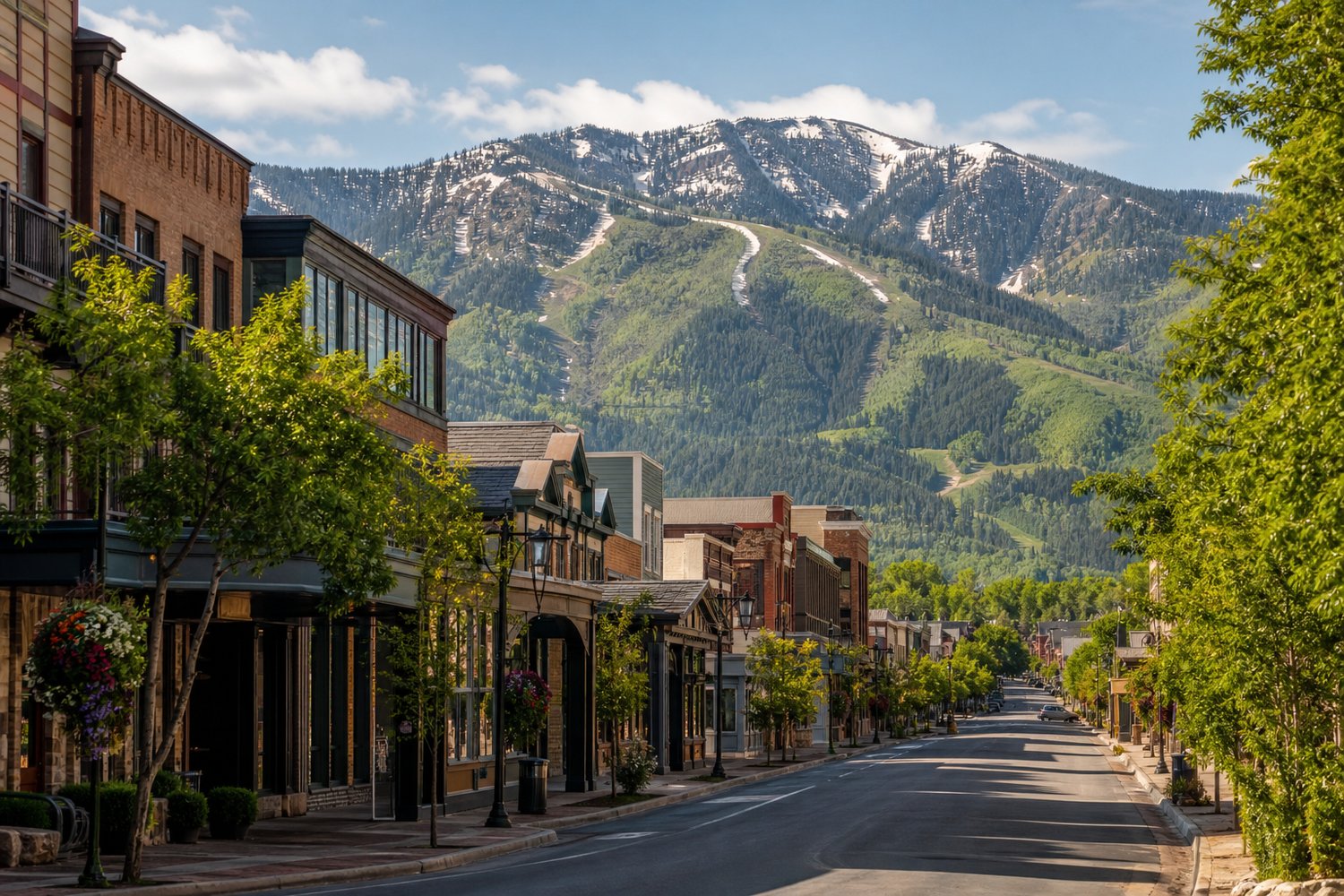
Start with the parcel, not the listing photos. Confirm which city or county governs it, whether rentals are legally allowed, how you’ll reach it in a storm, what protects the view, and what’s being built nearby. Price per square foot comes last, once those answers are in hand.
KEY TAKEAWAYS
- In Park City, renting for fewer than 30 days generally needs a Nightly Rental License, and only where zoning allows it.
- A seller’s rental history doesn’t transfer to you. Zoning, the license and HOA rules decide whether you can keep renting.
- “Deer Valley” and “Park City” aren’t legal descriptions. Resort areas can sit in Park City, Summit County or Wasatch County.
- UDOT is targeting 2028 for canyon buses and winter tolls, so treat them as a future factor, not a current perk.
- A view is only as permanent as the zoning, plats and easements in the sightline.
I live and work in the mountains I sell, and I see the same thing again and again. A buyer falls for the deck, the fireplace and the lift on the horizon, and only later asks the questions that decide whether the purchase works. In ski real estate, access, views, rental rules and the resort’s future usually matter more than price per square foot. Here’s how I’d work through them, in order.
Rules and rentals
1. Which jurisdiction is the property actually in?
A home inside Park City limits follows Park City’s rules. Homes outside the city, including parts of the Snyderville Basin and unincorporated Deer Valley, may fall under Summit County instead. Deer Valley East Village, on the Jordanelle side, is in Wasatch County, where development is overseen by the state’s Military Installation Development Authority (MIDA). In the Salt Lake Valley and the canyons, ask the same question: city, Salt Lake County or another entity?
Rental rules, licensing and zoning can change from one parcel to the next, so check the exact address against official county GIS or planning records, not the listing.
2. Can you legally rent it, and does that right transfer?
In Park City, renting for fewer than 30 days generally requires a Nightly Rental License, and the home has to be in a zone that allows that use. So “it has always rented” doesn’t prove you can keep renting. Ask the seller for:
- The current nightly rental license and business license records
- Inspection documents and the permitted rental length
- Any notices of violation
- Written confirmation of zoning from the city or county
If a listing’s numbers lean on rental income, find out whether that income rests on the zoning, the license or the HOA before anyone talks price.
3. What do the HOA or condo documents restrict?
Private rules can be stricter than zoning. Read the declaration, bylaws and rules for rental caps, minimum stays, owner-occupancy requirements, transfer fees and pending assessments. Snowbird condos have their own set of questions too. The documents are dull reading, and they’re also where a good-looking deal usually changes shape.
Access, views and canyon plans
4. How will you reach the home in winter?
Access varies a lot between Park City, Deer Valley, Big and Little Cottonwood, Powder Mountain and Sundance. For canyon homes, look at:
- Road closures and avalanche-control delays
- Who plows the private road or driveway
- Emergency access
- Parking for you and your guests
- Whether there’s only one way in
If you can, see the property on a storm day. A bluebird showing tells you very little about a driveway.
5. Is the view protected from future construction?
A view isn’t automatically permanent. Check zoning maps, subdivision plats, approved development applications, building envelopes, height limits, conservation easements and any empty lots in the sightline. For a premium view, have your agent or a land-use consultant map out what could realistically be built. That’s the difference between a view you own and a view you’re borrowing.
6. What do the Cottonwood Canyon transportation plans mean for you?
UDOT’s plans for Big and Little Cottonwood include a transit center, a parking structure, more buses and winter tolls for drivers. The target date is 2028, according to KUER, so for now it’s a future factor, not something you can use today. Better transit could help some owners and change the cost of driving up for others. Price in the uncertainty rather than assuming the best case.
New construction nearby
7. What’s approved, being built, or only proposed?
Northern Utah has several resort areas growing at once: Park City and Deer Valley on the Wasatch Back, Powder Mountain in Ogden Valley, and Sundance in Provo Canyon. Check the local planning commission agendas, approvals, development agreements and building permits, then sort every nearby project by where it really stands:
- Proposed: an idea that may never be built
- Approved: entitled, but no shovels yet
- Under construction: real supply with a delivery date
- Completed: already part of the comparable sales
An announced project and one with binding approvals and a crew on site are very different for your resale. Treating them the same leads to bad decisions in both directions.
How the questions change by area
Utah isn’t one market. Here’s where to focus in each area. For current prices and inventory, I pull fresh local MLS data for your specific search.
Salt Lake Valley foothills
🏛 Rules & rentals: Which city or county rules apply to this parcel?
❄️ Winter access: How far to the canyon road, and how is it in a storm?
🏗 What’s coming: Any infill or hillside projects approved nearby?
Little & Big Cottonwood canyons
🏛 Rules & rentals: What do the HOA or condo docs allow for rentals?
❄️ Winter access: Road closures, avalanche control, plowing, parking. Is there only one way in?
🏗 What’s coming: How will UDOT’s planned 2028 buses and tolls change winter driving?
Park City
🏛 Rules & rentals: Is the parcel zoned for a Nightly Rental License?
❄️ Winter access: Who plows the roads and driveway?
🏗 What’s coming: Which planning items are approved vs. just proposed?
Deer Valley area
🏛 Rules & rentals: Park City, Summit County, or Wasatch County (East Village, with MIDA)?
❄️ Winter access: Is the road private, and who pays to maintain it?
🏗 What’s coming: Which lodging and home phases have binding approvals?
Powder Mountain & Sundance
🏛 Rules & rentals: Which jurisdiction governs, and what do resort rules say?
❄️ Winter access: What’s winter access like to this exact lot?
🏗 What’s coming: What’s in the master plan, and what’s actually funded?
Your answers will be different from your neighbor’s, because they depend on your parcel, how you’ll use it and how long you plan to keep it. That’s exactly the homework I run through with buyers before we write an offer.
FAQ
Can I run a short-term rental in a Park City or Deer Valley home?
It depends on the parcel, not the neighborhood name. In Park City, stays under 30 days generally need a Nightly Rental License and a zone that allows it, and HOA rules may restrict it further. Check the license, zoning and association documents for the exact property before you count on rental income.
Is this home in Park City, Summit County or Wasatch County?
Check the address against official GIS or planning records. Parts of the Snyderville Basin and unincorporated Deer Valley fall under Summit County, while Deer Valley East Village is in Wasatch County, where MIDA oversees development.
Will UDOT’s canyon transit and toll plans affect my access?
They may, but not yet. UDOT is targeting 2028 for more buses, a transit center, parking and winter tolls in Big and Little Cottonwood. Treat it as a future factor that could change winter driving and its cost.
How do I know if a view is protected?
Look at zoning maps, plats, approved applications, building envelopes, height limits, conservation easements and empty lots in the sightline. Your agent or a land-use consultant can map what could realistically be built.
Does the seller’s rental income transfer to me?
Not necessarily. A seller’s history doesn’t prove you can keep renting. Ask for the current license, business license records, inspection documents and any violation notices, and confirm zoning and HOA rules yourself.
Have a property in mind?
I’d rather help you run these seven checks before you fall in love than after. Call or text me at 801-244-6444 and we’ll go through it parcel by parcel. Curious what past clients say? Read my Google reviews.
About Jim Williams
Jim is the Principal Broker/Owner of Williams Realty, P.C. He lives in Alta and has 30+ years in Utah real estate, 25+ as a licensed broker, with 360+ recorded transactions. He specializes in ski, mountain, luxury and off-market homes, and 1031 exchanges.
Equal Housing Opportunity. Jim Williams, Principal Broker, regulated by the Utah Division of Real Estate. This article is general information, not legal, tax or financial advice. Confirm your own requirements with your title company, tax advisor or lender.
Buying a Ski Home in the Wasatch? 7 Things to Check
How to Choose an Alta or Snowbird Realtor
Evaluate canyon experience, documents, winter function, and diligence.
Read the guide Big CottonwoodBrighton vs. Solitude Real Estate
Compare the ownership model before choosing the resort.
Read the guide Investor Guide1031 Exchange Into a Utah Ski Property
Coordinate ski-property diligence with the qualified exchange team.
Read the guide